A Man’s Entirety

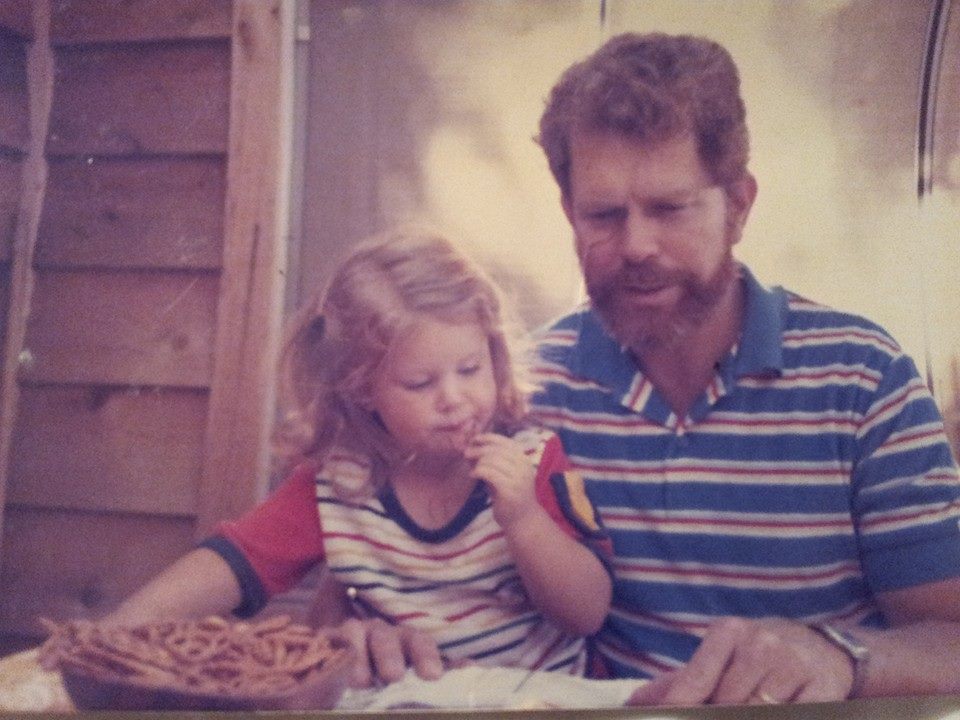
Paul and Mark's Little Sister (1985)
Paul and Mark’s Little Sister (1985)

By Mark E. Smith

Maybe it’s what literature or movies have bred into our culture, that people are either good or bad, but one week after Paul’s death, I can tell you that it’s possible – and more common than we’d like to think – for people to be both. And, for me, Paul was both, for 35 years, which might be why I’ve always called him Dad or Paul, based on the circumstance.

Paul entered my life as Paul, a 34-year-old bachelor attorney when I was eight. My biological father had left, and my mom met Paul during some legal matter. My mom was an alcoholic and an addict, but was exceptionally attractive, and that caught Paul’s eye. Yet, as I would watch unfold till both of their deaths, Mom and Paul were a toxic mix that led to circumstances that my brother, sister and I can’t believe any of us survived – and Mom and Paul ultimately didn’t.

Paul started life as a military brat, son of a full-bird colonel who flew with Charles Lindbergh, no less, and was a highly-decorated WWII fighter pilot. Grandpa Jim, as I knew him, was never a touchy-feely kind of guy. He was a hard-drinking, cigarette-smoking man’s man, with a tall stature and broad chest to match. And, he expected Paul and his brother to be in line all the time. Both boys ended up at military academies, and Paul graduated from King’s Point, embarking on an officer’s career navigating commercial ships around the globe, pulling in an astounding $10,000 per month in the 1970s. Paul put the money to good use, paying his way through law school and buying a farmhouse on some land. And, that’s when my mom began dating him, a relationship that through my eight-year-old eyes had all the promise in the world.

Yet, there was more to it than that for me. Not only did Paul seem a knight in shining armor to pull us out of poverty, but he genuinely took to me. My own father didn’t just drink and walk out on us, but till the day of his death in my 30s, there’s no doubt he was ashamed that I had a disability. Yes, it was my father’s issues, and I always tried to have some empathy because he was so troubled, but I couldn’t help but carry the burden of that shame. However, Paul demonstrated the opposite, genuinely loving and embracing of me. He took me hunting and fishing, sometimes carrying me on his back for miles. And, after my mother and he married, he took me almost everywhere he went, always referring to me as his son. It was a different world, where for the first time I felt a sense of acceptance. And, it was then that Paul became Dad to me.

But, it all was a tale of two cities. Dad was a loving, generous father, who showed me a world I never knew existed, from the great outdoors to socialite parties. However, there were the other sides of him that were horrific – Paul’s sides. He was a drinker, too, and I lay in bed every night hearing the liquor cabinet open and close countless times. My mother and he drank and argued nightly, where eventually he became physically abusive toward her, and they crashed around the house, keeping me constantly on edge. Paul could be a happy, docile drunk, or an enraged monster. Among the low points was on my 10th birthday when I came home from school to find my mom having slit her wrists in a suicide attempt, and as Paul rushed home, he’d been drinking since lunch and slammed his truck into a tree. It’s how life was.

By 1983, my younger sister was born, and Dad was a great father to her, too, loving her to no end. And his law practice thrived, complete with a beautiful old Victorian office right across the street from the courthouse. I remember people in our community being impressed by our family’s status at that point, with Dad running both a private practice and serving in the Public Defender’s office. It was round that time that Dad even took us on vacation to Maui.

But, it was all a facade. My mom was drunk around the clock, Paul started drinking at lunch, they were mired in debt, and the nights were so violent that it’s amazing no one died during those years, albeit from domestic violence, overdose, or suicide. Meanwhile, the three of us kids fended for ourselves. It’s a chaos that haunts me to this day, where loud noises at night in my home – my daughter slamming a cabinet door – triggers immediate fear in me, taking me right back in an instant. Some trauma just never grows out of us.

By 1988, my mom and Paul divorced, and both began an even sharper decline. My mom was a full-blown Skid Row kind of drunk, but Paul remained somewhat functional. And, it would be the next 10 years that truly taught me the fallacy of the term functional alcoholic.

After the divorce, I was 18 and on my own, taking care of my then 6-year-old sister when I could, and while my mom was a disaster, Paul tried to keep his life together and we remained very close. But, he drank daily, and I watched him throughout the 1990s lose everything. His house was foreclosed on, he lost his law practice, and ended up homeless, couch hopping at wealthy friends’ homes, wearing out his welcome. Meanwhile, I grew into my late 20s, with a wife, daughter, house, career, and graduate school, when Paul landed on our couch – and never left. By that point, he was a dishwasher at a friend’s restaurant and might have had two pairs of clothes as his sole possessions. True to form, by day he was great, an amazing grandfather to my daughter, and I could count on him for anything. However, while washing dishes at night, he just drank, coming home late and passing out on our family room couch. Eventually, I moved across the country, letting him live in that house till I sold it, at which time he moved to a camp ground. And, the entire decade demonstrated what happens to functional alcoholics: they slowly lose everything.

By his death, a week ago at this writing, Paul’s life had even more crazy twists and turns. While living at the campground, he met a woman half his age, with profound mental issues, and for the coming years, they lived a volatile life of poverty, alcoholism, and mental illness.

The last time I saw Dad was this past summer when he came east for Grandpa Jim’s funeral at Arlington National Cemetery. He was in such poor health and still drinking that I loaned him a mobility scooter. During that visit, my sister and I checked him into my local VA hospital, where he spent several weeks detoxing and getting a grim diagnosis that after decades of alcoholism, his organs were failing. After getting in good enough health to fly home from Pennsylvania to California, he took his next drink upon landing. He would never be without a drink again, even dying with alcohol in his system.

The King’s Point graduate who traveled the globe, became a successful attorney and a loving father died at 2:06 pm on December 31, 2013. However, the obituaries that tell that one-dimensional portrait, as obituaries do, rob Paul’s life of ultimate meaning. Rather, all should look at the entirety of such loved ones’ lives and not dismiss the entirety of the individual, but truly learn from his or her paths. Dad was a great main, Paul was a troubled man, and both teach us invaluable lessons in life. For me, some of those lessons are beautiful and some are haunting, but they’re lessons that ultimately gave Dad’s life a larger purpose, where when I look at the sober lives of my siblings and me, and the promising future of our combined seven children, Paul’s alcoholism and life descent wasn’t without reason, but a profound lesson for us to learn.

Vacationing With Jasper

table

By Mark E. Smith

I’m not a formal vacation kind of guy. My career in complex rehab technology and serving my peers is a ’round-the-clock lifestyle that I’m more passionate than ever about after 15 years – and true vacations get in the way of that. In fact, I sold my boat because it was taking up too much time on the weekends during the summer. I just don’t have the desire to be off the grid long enough to truly disconnect in the way that others do, footloose and fancy free. When you come from nothing, work your way up the hard way, and know that you can go back to where you came from at any time, there’s an instinctive drive and work ethic that keeps you focused and dedicated, possibly to an obsessive degree.

However, in my latter years, especially with my daughter now 16, and wanting to give her life experiences that we all should be blessed enough to provide our children, I’ve done a fair amount of recreational travel in recent years. Even that, though, often ties into my career. I love Vegas, and, fortunately, my company has a manufacturing facility there, so on my own dime and time, I can spend, say, three days in Vegas, but still get to see colleagues as wished. Or, I was recently in Washington D.C. for a day relating to my daughter, and was able to drop by a disability-related conference, and visit with close peers. And, with an iPhone and iPad, I’m connected virtually anywhere, any time, so accessibility to work is always there.

Again, though, I do try to balance life a bit, so my one “vacation” this summer was a three-day stay at a self-proclaimed “luxury resort” in the Poconos, an hour from my house, focused on “world-class products and service that exceed expectations of the most experienced traveler.” My plan was peace and quiet, the ability to sleep, eat, check my online communications, and do it all over again – and based on the resort’s marketing, it seemed like the perfect place to do that. But, alas, not so.

See, it turns out that very wealthy people do a great job at making money, and a terrible job at picking where to take their completely ill-behaved kids on vacation. I hate to sound like a crotchety, old man, but my 16-year-old handles herself with the poise and grace of a socialite – and we live in a ranch house and drive a seven-year-old van. How come when your family flies into a resort via helicopter, you have everything but appropriately-behaved children? Heck, I’ve seen the TV show, Super Nanny, and reckon that if you can afford a helicopter, you can afford to hire someone to teach your kids discipline. Mom brought her collection of Prada purses, but apparently there wasn’t room to pack the kids’ manners!

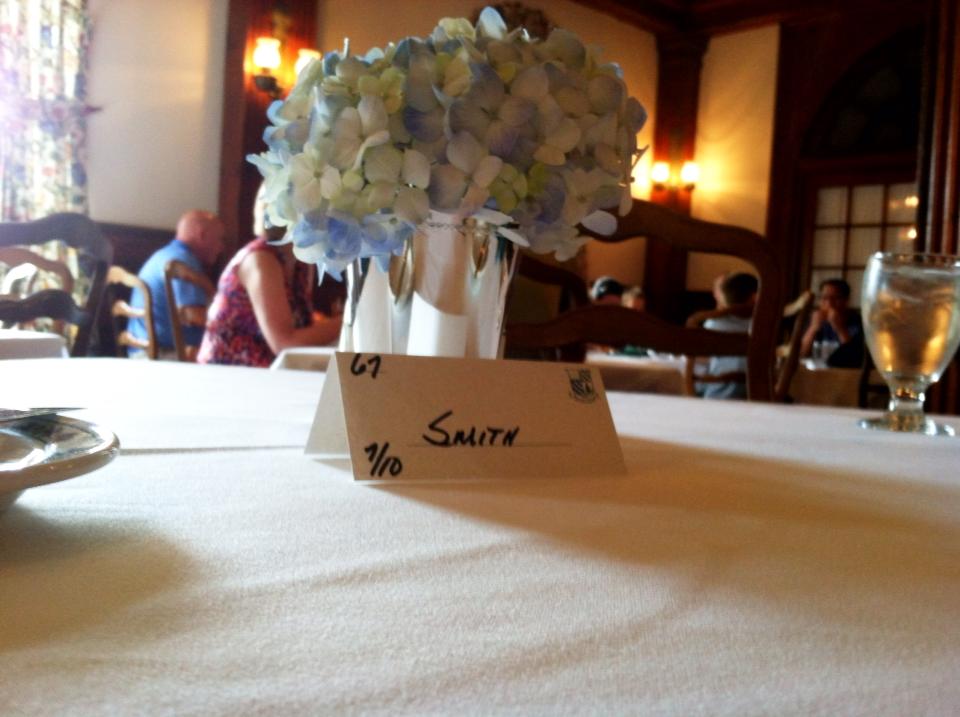
So, I ended up at the so-called prestigious resort, with a quaint room and, in the dining room, a beautifully-reserved table for my included five-star meals – all the while surrounded by screaming, running kids, who had no parental guidance and nothing to do but bother me and others looking for tranquil elegance in a vacation.

Jasper was my favorite, and when I say favorite, I mean the kid that I most wanted to see trip and get rug burns on his knees. I only knew his name because his mom – who was admittedly smoking hot in her tennis skirts – constantly badgered him in an annoyingly-passive voice. Jasper, honey, please come sit with mommy and daddy, and eat your dinner, she said as Jasper played freakin’ airplane around the formal dinning room.

“Whatcha eatin’?” Jasper asked me, his head barely taller than my table.

“It’s deep-fried kid,” I replied. “And if you don’t get away from my table, you’ll be my desert.”

But, Jasper didn’t care what I said, or what his mom said, or what anyone said. It was his world, and we were just living in it.

And, so, there I was, at among supposedly the most exclusive resorts in the country, just wanting peace and quiet, and I ended up in the middle of dozens of preschoolers in Ralph Lauren polos – lead by Mommy’s little Jasper – acting like perpetual-motion pogo sticks, bouncing around the lodge like it was a barrel of monkeys.

So, I went to the one place that the terrible tykes couldn’t go: the bar. However, within minutes, there’s five-year-old Jasper starring at me again.

“Whatcha drinkin’?” he asked, his hands gripping the edge of my table.

“Boar’s blood,” I said.

“What’s that?” he asked, bouncing up and down on his invisible pogo stick.

“Why are you wearing girl’s shoes?” I asked, and he stopped bouncing, looking down at his Docksiders. “See that lady over there – she has the same shoes on. Girl shoes, just like you.”

I’m very observant, and just happen to notice that Jasper and a woman from Italy I’d met earlier wore identical boat shoes.

“These aren’t girl shoes,” he says, crossing his arms. “They’re boy shoes.”

“Now you’re crossing your arms like a girl,” I say. “First you dress like a girl, and now you gesture like one. I see a pattern here.”

Jasper just stared at me, stumped.

“Cat got your tongue?” I asked.

“I’m going to tell my mom on you,” Jasper retorted, pouting.

“Dude, you’re the one wearing girl’s shoes and crossing your arms,” I shouted as Jasper ran away.

Ultimately, Jasper and I became really good friends. I even laughed when he fell running across the lodge one afternoon, burning the tip of his nose as his face slid across an area rug.

Heavy Sky

window

Now I’m a grown man, with a child of my own, and I swear I’m not going to let her know all of the pain that I’ve known. -Art Alexakis

By Mark E. Smith

When I was 17, I spent a lot of that summer camping in Yosemite’s White Wolfe region. It was part independence building, part adventure, part escape. I attended forestry seminars that summer, and learned that wild fires can prove good for the environment. Dense forests fill up with debris, and stifle new growth; however, a wild fire clears out the old, and allows new plants and trees to grow. What initially seems like destruction, actually builds a new, stronger habitat.

At that time, I wasn’t in touch with my father. He’d walked out on my brother and me many years earlier. We were little, maybe five and six, or a bit older – it’s hard to date such things, probably because it’s too painful to remember exactly when your father left. But, I remember.

Regardless of dates or circumstances, when your father drives away for the last time, it creates a void in you that many say never goes away – it’s just a heavy sky that’s left over you. And, as the seasons pass, you learn that other people, who you love, leave and don’t come back, either. It’s emotional dominoes set into motion by the man who’s supposed to be a boy’s hero, and you learn to just fall with them, relationship after relationship, where the fear of abandonment becomes the security of being alone.

Yet, you grow strong in ways, where you never distrust because there’s always a chance that someone might stay. You’re forever a seven-year-old starring out of the living room window, with the possibility that Dad might pull up in his pick-up truck, boozed up but playful. And, so you learn to trust in a counter-intuitive way – it’s the dream that’s the only comfort to hold onto.

And, you likewise learn to never leave anyone because you don’t want her or him to know the pain that you’ve known. Yes, everyone’s going to promise to be by you till the end, but who dare live up to it? You will live up to it because you won’t be like him.

And, then there is her, your own child, and as a broken man, there’s something remarkably whole about you in that single role, where your pieces come back together, and you see everyone around you in the sunlight of spring. It’s inexplicable that where only destruction has been, beauty emerges – a single flower among ravaged woods. And, you realize that the injustice of not having a father is corrected by being a father – the better man, you are for it all.

Empty Words

emptywords

By Mark E. Smith

The two symbolic, ground-breaking shovels that sit in the corner of his office catch my eye. One is gold-plated and the other, chrome. They’re the type of shovels that dignitaries and politicization use to pose with in a dirt patch when kicking-off a new development project. And, they’re leaning in the corner of his stately office, which clearly has not been remodeled since the 1980s, right down to worn leather chairs. But, all is spotless clean – even the shiny shovels.

I could picture him back in the day, likely slamming one of those shovels onto a board room table, and saying in a larger-than-life voice to his executive team, “Are we going to dig our own grave, or dig our way to the top?”

Yet, now he’s a kind, calm, soft-spoken older man, a proud grandfather. And, as he talks I feel a bit writer and a bit grandson. “Never trust words,” he says. “Flow charts, a good dresser, a great speaker – never trust any of it. Only trust results. When someone delivers, trust that. Trust whomever backs you in the trenches.”

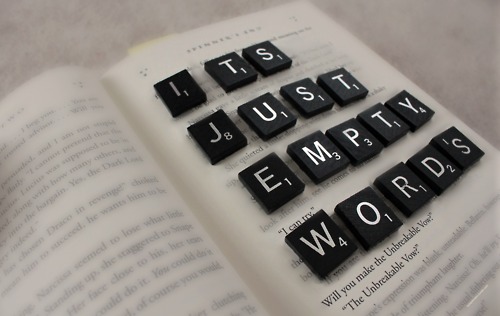
And, for a moment, my eyes drift back to the shovels leaning in the corner, and I think about how true his words are, not just in business, but in life. As a writer and speaker, I’m a contradiction in that I’ve always distrusted words. It goes back to my mom and her always lying about not being drunk, my therapist would say. And, while maybe that’s where my distrust of words likely began, it runs more universally than that. I’ve learned that when we truly care about others, we don’t just say it, we show it. Show me you care about me, show me you love me – don’t just tell me. I’ve fallen for words too many times, only to be hurt by them – empty, hollow in the end, the words, me, all of it. You have, I have, we all have. And, what’s insane is that we continue wanting to hear them, the words, and believe in them – I’ll pick up the pace, I’ll make things right, I’ll quit doing it, I’ll change…. But, what’s any of it mean if there’s no action or effort behind the words?

The answer is, nothing. Here’s the fact: when we look and don’t listen – that is, when we gauge a person on what they do, not what he or she says – it’s the ultimate truth of what we mean to that person. No matter if it’s an employee, friend, or love interest, follow what one does, not what one says. Lots of people will say they’re there for you; but, who’s truly there in the sincerest ways? It quickly becomes a short list, doesn’t it?

And, yes, it’s a painful realization, but also a poignant one. See, in the process of realizing how adrift we are, alone at sea, we likewise realize who’s truly there for us, not in words, but in heart, soul, good times and bad. Words are so often an empty gesture; but, actions of the heart always prove true intent. Grab those who put their hearts and souls out there for you – hold on to them, truly trust in them, no longer adrift but anchored by them.

And, as he continues speaking, I stare at the shiny shovels, and again wonder why any of us still trust in words at all?

Empty Chairs

KITCHENCHAIRS

There’s a grief that can’t be spoken. –Empty Chairs at Empty Tables, Les Miserables

By Mark E. Smith

I’m really striving to keep a super clean house these days. It’s always been tidy, but after 11 years of living there, dust bunnies and cobwebs collect in corners. However, my close friend sneaked into my house while I was away working an Abilities Expo, and did a dramatic deep cleaning, where my kitchen looks new again. So, I’ve been doing my best to keep the house spotless.

Yet, my 16-year-old isn’t so mindful. She has a bad habit of piling jacket after jacket on a kitchen chair. And, with her virtually never home anymore – at school during the day, and drama rehearsal, band practice, and hanging out with friends at night – I’m the cerebral palsy version of Ozzy Osborne, with this over-the-top career by day, but puttering alone in the house in the eves, somewhat lost beyond my work.

So, amidst my immaculate kitchen, I saw my daughter’s myriad of coats, sweaters, and hoodies once again piled on a kitchen chair one evening, and I got really mad. How come she can’t just put these jackets in her bedroom? I’m stuffing all of this in a garbage bag, putting it on the curb, and teaching her a lesson!

Of course, I didn’t really do that. Instead, I went and lay on my bed, surrounded by the silence of the house. And, when my daughter got home around 10pm, I asked her how rehearsal was, not mentioning the jackets piled on the chair.

A few days later, I was working on a project, and a distant colleague raised a very trivial issue, one of no real consequence other than to get a rise out of others. “Why’s he making an issue of nothing?” I asked another colleague.

And, she said among the most profound insights, “Sometimes when people feel a lack of control over aspects of their lives or careers, they focus on that which they can control, the small things.”

Indeed, we do often focus on the small things that we can control when the bigger aspects seem overwhelming or uncontrollable. In the wheelchair world in which I work, consumers sometimes hyper focus on small details regarding a wheelchair, only later to share how overwhelmed he or she is by the entirety of disability experience, that the small issue with the wheelchair was merely a way to avoid facing the larger issues in life. Similarly, think about how often emotions build up in relationships, where a small issue ends up representing much deeper issues. Even in the movies, think about how often one character wants to tell another his or her feelings, but can’t get the words out, instead rambling about something trivial – it’s a classic cinematic tension builder based on human nature. …It’s true that it’s often emotionally easier to hyper focus on small issues rather than tackle the big ones – especially when we’re not ready or don’t feel emotionally safe doing so.

For me, I immediately thought back to the jackets on my kitchen chair. In the grand scheme, it really doesn’t matter if they’re there. But, as a single dad puttering around my empty house, it’s about all that I felt that I could truly control these days in the larger picture of my parental life. After all, my daughter’s growing up, times are changing, and while it’s all good, healthy, and normal, it’s also a bit scary – namely on my own, as a single dad, where my daughter has been my foremost focus. It’s the realization of, Wow, I’m not caretaker of a child anymore, but father of a wonderfully-flourishing young lady…. and where do I fit into all of this, and go from here?

Of course, I know the logical answers. My role remains vital, where my daughter comes home at night, plops on the big, stuffed chair in my master suite, as I’m already tucked in bed, and I listen to what’s going on in her life, asking questions, sometimes giving advice. Sure, she still needs me very much – just in different ways – and I’m forever there for her.

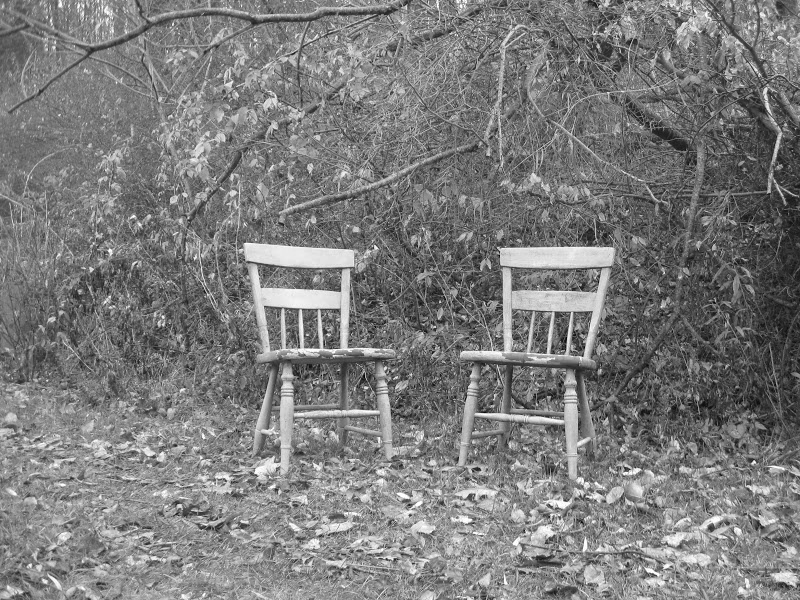
But, the heart isn’t so logical. It realizes that my little girl is growing up, and soon the jackets piled on the kitchen chair will be a fond memory as she heads off to college. And, there’s both a joy and sadness in that process. So, what I’ve realized is that those aren’t just jackets piled on the kitchen chair, but my own emotions as a father watching his truest pride, joy, and love grow up – and rightfully struggling with it all.

And, so for now, I’ll just leave the jackets on the kitchen chair, not worrying about it, but appreciating this stage of her life – our life – before it changes even more. Why strive to control such trivial aspects when I can just enjoy the more important aspects of life as a father.

The Real American Dream

537534_10200108382422591_1767967630_n

By Mark E. Smith

We often hear of the American Dream, but what does that really mean? In my home, it means a lot – because we’re living it.

This past week, I was in Atlanta, working with the Georgia Association of Medical Equipment Services, advocating at the Capitol and its Legislature for sustained mobility funding and disability-related services.

Before I left, my daughter and I sat at our kitchen table, and laid out our 2013 schedules, finances, and priorities. As a family – even though it’s just the two of us – we must be on the same page, as a team, pursuing my goals, her goals, and most importantly, our goals as a family building a legacy.

At just turning 16, my daughter is on her high school’s honor role, and on an Ivy-League track toward college, leaning heavily toward an ultimate doctorate in psychology. She plays and holds a seat not just in the school band, but regional orchestra, too, and is next auditioning for the state level in March. She’s a member of the National Thespian Society, where she acts, as well as serves as Secretary for her troop, and she’s a gallery-shown photographer. This summer, she’s attending George Mason University, where she was nominated as among the top 250 youth leaders in the country, and she’s also volunteering as a counselor at a muscular dystrophy summer camp. Yes, the kid is freakin’ awesome, nailing life at 16!

My career continues in full swing, where I have more corporate, advocacy, writing, and speaking projects lined up than in the history of my career, and what I’ve accomplished in just the first month of the year makes my head spin. Again, I was in Atlanta last week – recently back from Detroit! – now I have a radio interview, magazine columns (both in print and in process), a MDA Muscle Walk fundraiser, which I’m helping coordinate, an on-going book project, engagements in Nashville, and Los Angeles, and a full-time corporate job, message board, and weekly blog. And, that only gets me to mid March! (Then it’s Capitol Hill time, Abilities Expos… you get the idea….)

Yet, as a family, my daughter and I not only have to annually budget time, but also finances. We take money management very seriously in our home, where it’s not just about wealth-building and security, but “stewardship.” We believe that what we’re blesses with isn’t truly ours, but that we manage it for a greater good. We live totally debt free, put necessity before want, share with others, and give as much as we can to charity. We don’t live with a scarcity mindset, where we hoard for ourselves; rather, we live an abundant mindset, where there’s enough for us to really enjoy life and not worry, but we have the ability to give generously, as we believe giving to others is the absolute most fun that one can have with money (and, it’s the reason why we’re “stewards” of income – that is, to ultimately do good with it for others, as opposed to seeing it as ours to keep).

But, here’s what struck me about our 2013 family schedules, finances, and priorities meeting: We’re living the American Dream. In two generations – mine, now my daughter’s – we’ve changed our family tree beyond what many would deem possible. The number of firsts for us is astounding. Although a non-traditional family of just the two of us – there’s no mother figure in our family photos – we personify the American Dream.

See, it’s easy to look at me in a suit and tie traveling the country, speaking to audiences, or read my magazine columns, or know of my corporate career, or see me sunning on my boat or jetting off to Vegas, and say, Sure, Mark, life is easy for you when you and your daughter have money and opportunity….

However, the fact is, I was born into less than nothing, with the four generations before me living in abject poverty, all addicts, most serving prison time, none with an education, most just to steal and harm whoever they could. As I open some of my speaking engagements, On the day I was born, my grandfather was in prison, a lifelong criminal; my grandmother was a heroin-addicted prostitute; my father was an alcoholic, drinking in a bar at noon; and, as I was born on that day, I wasn’t breathing….

And, my family tree got worse from there. My grandmother called my mother on the phone and shot herself in the head, committing suicide. My grandfather died of a heroin overdose after endless years of prison time. Both my parents were Skid Row alcoholics, dead by the time I was 40. And, it all made sense, going back for generations on both sides of my family.

So, how did my daughter and I end up here today? Well, there’s been a lot of hurt, pain, struggle, and success in-between; but for me, it all started with getting myself in and out of a bathtub at age 11, where I simply learned that with unyielding tenacity and vision, my potentials could extend as far as I wished. I couldn’t just change the direction of my family tree, I could grow my own. …And, I did.

I was the first one ever to graduate high school in four generations. I was the first to go through college. I was the first to never serve jail time. I was the first to have a career. I was the first to own and invest. I was the first to not be an addict of any sort. I was the first to not do what those before me and around me had done, but to live by a radically different moral and ethical compass. I was the first to live the American Dream.

Yet, the climb has never been linear. Many of the ghosts of my heritage have chased me at times. At 17, I awoke in intensive care after my own failed suicide attempt. I got myself horribly in debt in my 20s. And, I have yet to sustain a life-long romantic relationship. Yet, every time I’ve fallen down, I’ve used second chances, which we all have, to make things right. I immediately got into counseling at 17; I worked my way out of debt in my early 30s; and, at this writing, I’m currently in counseling, striving to take accountability for a string of ended relationships, and get this whole love life thing right. Indeed, the beauty of the American Dream is it gives each of us the chance to change the directions of our lives at any time and redefine who we are. Again, we can get knocked down and fall down, but we have the chance and the choice to get up stronger every time. And, I’ve never passed on that opportunity.

And, while my daughter’s life hasn’t been a piece of cake, either – her mother ultimately unable to break free of her past and demons, to the point where she hasn’t been in my daughter’s life – my daughter has taken the torch of the American Dream, and ran with it. What we’ve both learned is that life isn’t what you’ve been born into; rather, it’s what you make of it, and despite hardships and hurt, you can move through it all, day by day, hurdle by hurdle, to success that you’ve earned by simply striving to do right – that’s living the American Dream.

Listening, Loving – Present

By Mark E. Smith

It can be argued that there’s no song more emblematic of the late 1960’s counter culture of flower-power, psychedelic drugs, and free love than “Purple Haze” by Jimi Hendrix.

However, contrary to the logical presumption that Purple Haze is about drug use, the late Hendrix swore it is a love song, a lament about a girl. And, he pointed to the lyrics, Whatever it is, that girl put a spell on me.

Of course, the lyrics that most of us know from Purple Haze are, Excuse me while I kiss the sky. But, what really puts it all into context is the preceding verse, Actin’ funny, but I don’t know why? And, so you have an amazing, iconic song about a love-sick guy, not knowing how to get himself out of a bad place, questioning, Is it tomorrow or just the end of time?

Fast forward 40-something years, and in today’s culture, the love-sick soul in Hendrix’ masterpiece becomes seen in a vastly different context, pathologized – that is, someone who needs help, some sort of intervention. Hendrix’ lyrics could easily be, Excuse me while I fix this guy.

See, we now live in a culture where it’s not OK to sometimes not be OK – and sometimes we’re just not OK, and it’s OK! Truly, we live in a society where everyone wants to fix everyone – if you have a problem, there’s no shortage of friends, family, TV personalities, doctors, and prescription drugs ready to fix you. And, yes, sometimes we need help – clinical mental health issues and various dependencies require medical intervention.

Yet, a lot of times, when we’re seemingly not OK, it’s OK. In my roles, I hear from a lot of families who want to help their loved ones who have disabilities. And, what I’ve come to understand is that a lot of times, the best help is no help – simply listen, love, and be “present” – and let the person work through his or her emotions and problems in his or her own time and way. For the most part (again, with the exception of clinical issues), we have an innate way of finding our way through the proverbial dark spots in life, back to the sunlight, where all we really need is time, space, and someone to just listen and be present with us during trying times, without judging or preaching. As Wayne Dyer puts it, “Love is the ability and willingness to allow those that you care for to be what they choose for themselves without any insistence that they satisfy you.”

As a full-time single dad raising a teen daughter, I’ve been practicing what I’ve coined the “listen-love-present approach” – and it’s challenging! I mean, I have all kinds of advice just waiting to be blurted out, but that’s not what my daughter – or most people! – need or want. Rather, what my daughter needs and wants is for me to listen, love, and be present – not dish-out advice. Sure, there are places and times for advice – including with my daughter – but, there are far more moments where the listen-love-present approach is the most sincerest form of support that we can give others.

I have an oversized, over-stuffed chair with pillows in my master bedroom. And, some evenings, my daughter will come in when I’m in bed watching TV, and she’ll curl up in that chair, and start talking. Recently, in that comfy chair, she shared with me that she’d just been dumped by her date for the Semi-Formal school dance – that is, it wasn’t just her first real school dance and “date,” but her first time being dumped. As a father, I could have given her tons of immediate advice and opinions: You’re beautiful, and he’s an idiot. I’m sure you’ll have new date in no time. We all get dumped. You won’t remember his name in 10 years. Look at how many times I’ve been dumped, and I’m fine. Everyone gets dumped – it’s just part of life. But, I didn’t tell her any of it because it would have no effect. If I did, it would really be a dismissal, wouldn’t it? Yeah, yeah – you’re 15. Trust me, you’ll get over it! That’s no way to treat anyone in real pain, who, as Hendrix noted, is questioning in a way, Is it tomorrow or just the end of time?

Rather, I asked her some listen-love-present questions: How’s this situation make you feel? …What do you think about the guy who bailed on you? …What are you going to do about the dance? And, she found the answers within herself, not just that evening, but in the coming days. (And, she gave me permission to share this story with you, as I would never betray her confidence.)

The fact is, as her father, my role is to facilitate her growth, not dictate it – and, as a father, there’s nothing more rewarding than seeing your child overcome life’s hurdles in healthy ways on his or her own, where he or she needs love, not fixing. However, this really applies to all our relationships, where often the best way to support someone isn’t with advice, but just loving, listening, and being present.

See, the truest lessons are often learned not through advice or preaching from others, but by thinking and feeling on our own – with someone who’s listening, loving, and present along the way, when we’re fortunate. As for my daughter, of course another boy asked her to the dance. And, as one might presume from Purple Haze, being broken hearted – for any number of reasons in life! – certainly shouldn’t be equated with being broken. We all need someone to listen to us from time to time, but rarely do we need fixing.

Changing Like the Rising Sun

20120207-123313.jpg

By Mark E. Smith

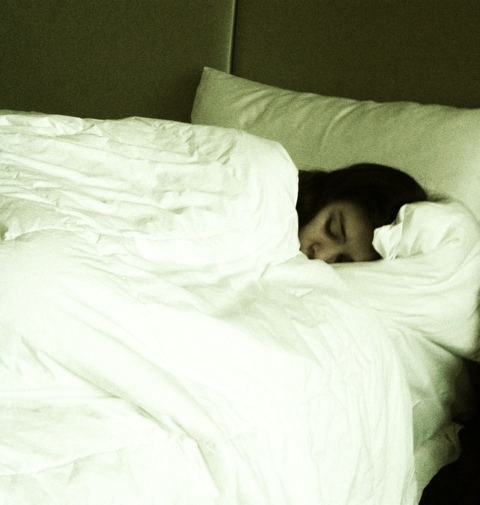
My daughter looks so cozy, curled up, under the covers on the sofa bed this morning as the sun rises over the Vegas strip, the full-wall of window glass framing her. She hated the thought of the sofa bed at first, preferring her own bedroom, but now she loves it – it is a tiny Vegas high-rise condo that she agreed after all is perfect for us, just the two of us, the way it’s been for some time. This is a week-long getaway, where I can visit my company’s western manufacturing facility and give a talk at the University of Nevada (UNLV), all while my daughter and I pursue some writing and photography in a town that’s a never-ending flow of story lines and imagery – and a sofa bed turns out to be just fine by her as a place to dream.

Glancing at my own bed, I wonder if I should make it or leave it for Housekeeping to change, but I can’t remember if it’s laundry day? I’ll wait till my daughter awakes, and discuss it with her – she knows the condo’s schedule better than I do, as she pays attention to such details. For now, I’ll sit quietly, watching the Vegas sun rise over my daughter, waiting for her to awake with a smile and a stretch, as she always does, and we’ll talk about whether to cook breakfast or walk to Starbucks or Denny’s, and she’ll tell me whether it’s laundry day.

After this quick trip to the Vegas condo, we’ll be back in Pennsylvania, on our usual schedules, celebrating our birthday that’s only three weeks away. Hers is March 3, and mine is March 2, so beyond the separation of midnight, it’s kind of a shared date, so we just call it our birthday. She’s turning 15, me, 41.

I always said that the joy of parenting is in seeing your child evolve and grow, where there’s no ideal stage, but that the entire process is awe-inspiring. However, as I sit here, I realize that I just want to stop time after all. She’s perfect the way she is – ideals, flaws, no matter – she is perfect, and I just want time to stop, freeze this moment forever, much as she does with her photography.

In three years, she’ll be off to college, and our relationship will evolve in yet more ways. Of course, I want her to move out, attend an ivy-league school, maybe in the northeast, maybe out west, but far from me – she needs to fly on her own, to soar on her own. And, I, too, will be on my own – an empty-nester at such a seemingly young age, likely lost for a while. Maybe I’ll have a live-in girlfriend, or it’ll just be me and the dogs. But, no matter what, I’ll still be lost for a while – and it will be OK. It will all be OK.

And, as I sit here watching my daughter sleep, I can’t help but already miss having her as the everyday center of my life. I was the first to hold her when she was born. As a toddler, she spent more time on my lap than walking. We moved across the country together, sitting side-by-side on the airplane when she was three. I still take her to school each morning. My weeknights and weekends are filled with her band and drama rehearsals. And, the big comfy chair that she sits in while talking to me at night in my master bedroom remains her safe place to let it all out when needed. Yet, as I sit here watching her sleep as the sun rises over Vegas, I know it’s all changing – it’s ever-changing, her, me, life, all changing like the rising sun.

I really should wake her up to talk about breakfast, laundry, and our day’s events. But, I can’t. For a moment, at least, I can just sit here, admire her perfection, and watch the sun rise. Indeed, time can stand still – if only for a precious moment.